Frontend and Backend Development
Build core features on a modern stack with production-ready practices.
Nearshore MVP development for US companies: validate with real users, control risk and ship to production every week, in your time zone.
MVP development lets you validate your product hypotheses quickly, with controlled risk and cost. Instead of betting months of budget on assumptions, you put a focused, working product in front of real users and learn what actually matters. We ship your MVP to production every week, with a single technical owner and a fixed monthly fee by scope.
Rapid Iteration
Iterate quickly based on real user feedback.
Market Adaptation
Adjust and prioritize features based on what the market tells you.
Cost Efficiency
Avoid building unnecessary or expensive features before they're validated.
Value Focus
Maximize your investment by focusing on what truly adds value.
Controlled Risk
Test ideas with real users before committing to a full product.
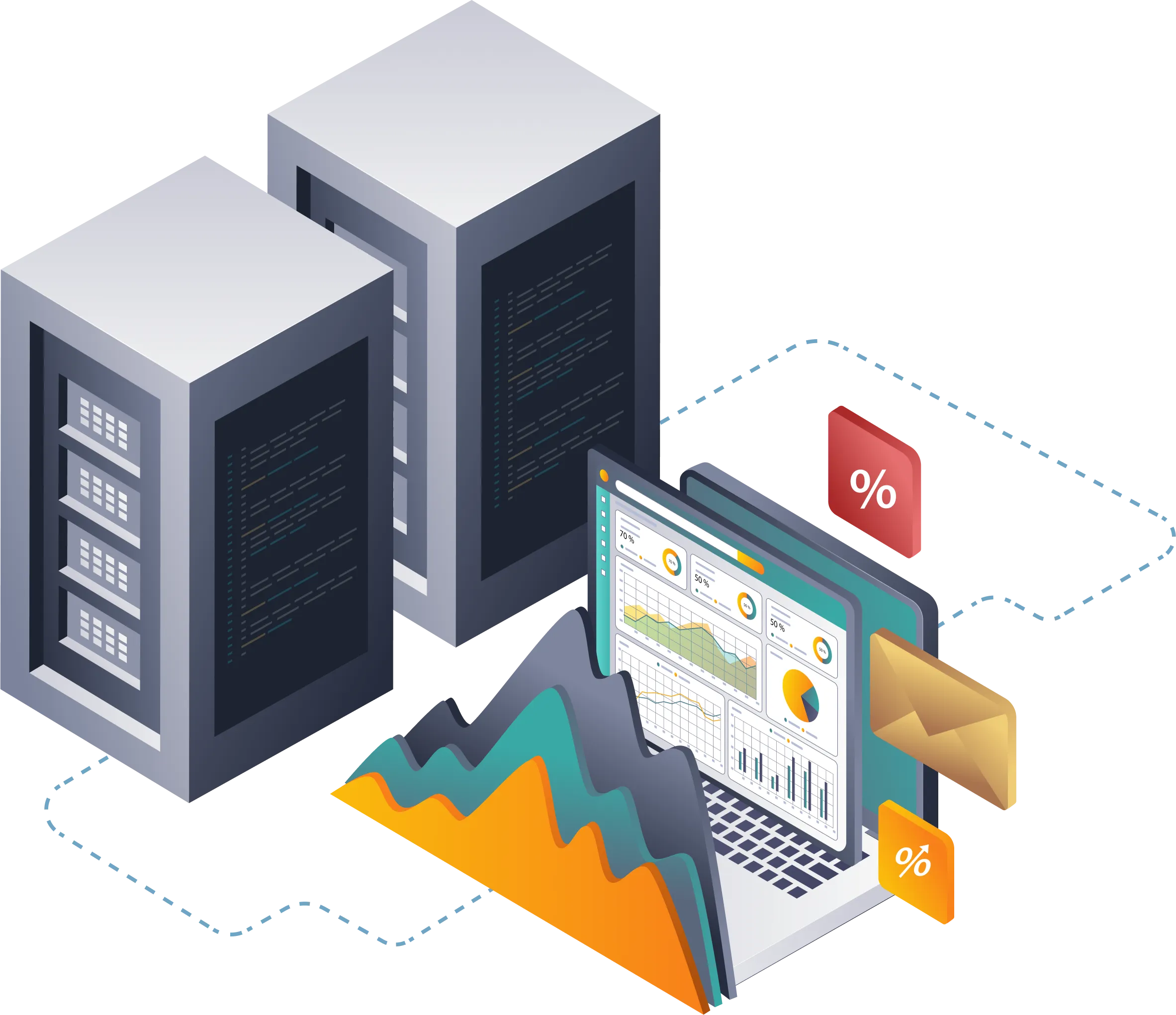
Build core features on a modern stack with production-ready practices.
Create visual representations of your product before development starts.
Connect the essential services and platforms your MVP depends on.
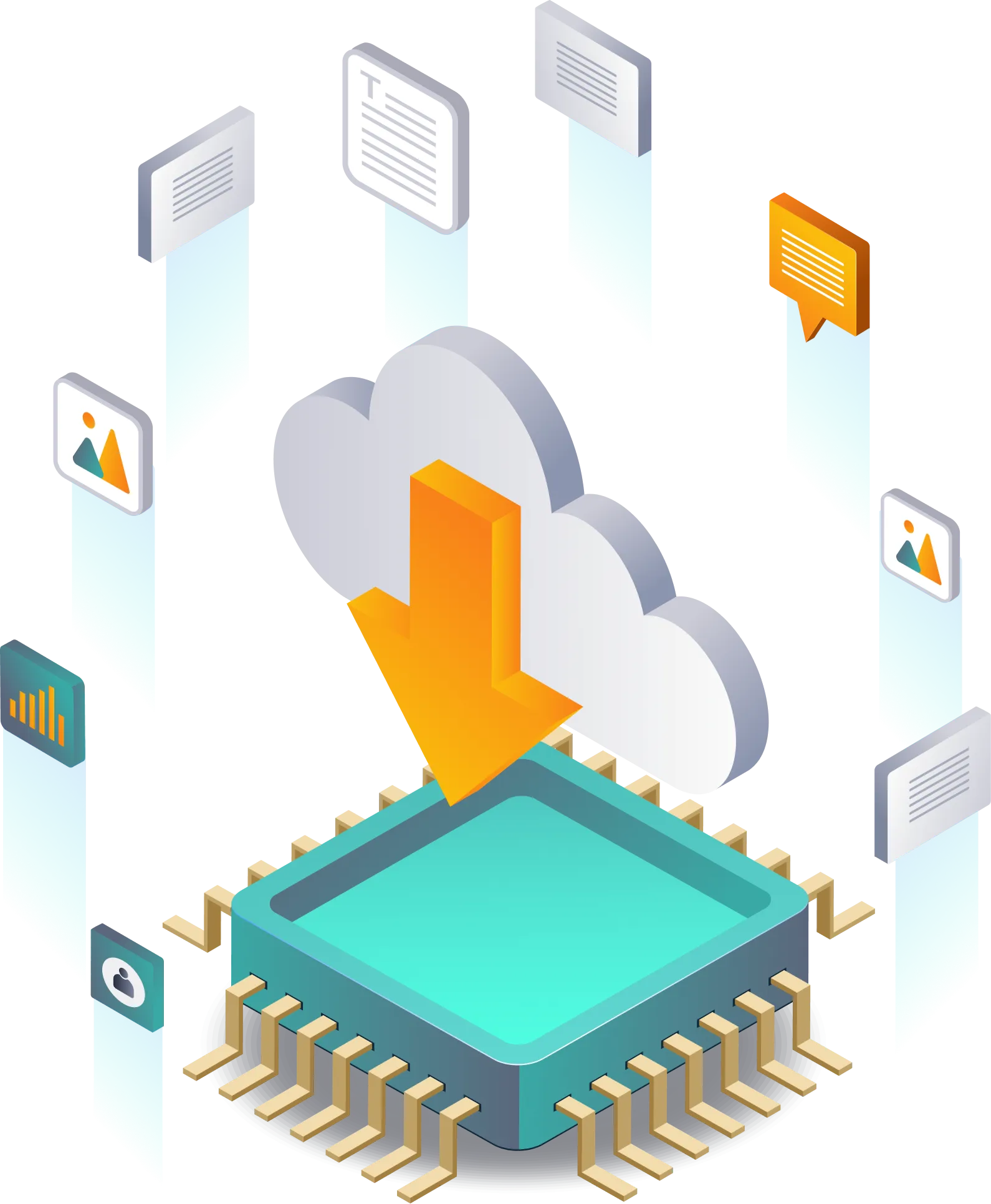
Deploy and scale your MVP efficiently in the cloud.
MVP development is how you find out whether your product idea works before spending months and a full budget on it. An MVP — a minimum viable product — is a focused, working version that does the one thing your users care about most, put in front of real people so you learn from behavior instead of assumptions. The goal isn’t to build less for its own sake; it’s to learn fast with controlled risk.
At Fuix we build MVPs that are real products, not throwaway prototypes. They run in production, handle real users, and are built on a modern stack so that when the idea proves out, you scale the same foundation instead of rebuilding from scratch. We’re a dedicated nearshore team based in Chile working US business hours, so you iterate with us in real time — the tight feedback loop an early product needs, not an overnight offshore gap.
The value of an MVP comes from sequencing risk. We identify the riskiest assumption in your idea — the thing that, if wrong, sinks everything — and build the smallest product that tests it honestly. That keeps cost down and learning up. From there, rapid iteration on real feedback tells you what to build next, so every euro or peso of budget goes toward features users actually want.
We’re strict about scope because scope creep is what kills MVPs. We prototype and wireframe first, agree on the core features that matter, and cut everything that can wait. What ships is lean but real — with the integrations and cloud infrastructure a production product needs.
We ship your MVP to production every week with a single technical owner accountable for delivery. You see real, usable progress each week, not slide decks, and you can put it in front of users continuously. Before each release the full flow is validated end-to-end; if it fails, it doesn’t ship. We use AI internally to accelerate development and keep quality high while moving fast.
Pricing is a fixed monthly fee by scope, not by the hour, so cost is predictable and risk stays controlled. We operate from Chile as a nearshore partner for US companies, overlapping your business hours end to end.
Most providers won’t publish a number. Here are ours, in USD, for a senior Chilean team working US hours:
| Model | What it is | Range (USD) |
|---|---|---|
| MVP, closed scope | One platform or cross-platform, the core features, a light backend, minimal back-office | 8,000 – 15,000 |
| Dedicated team | Monthly fee for a team that keeps shipping while you learn, 6-month minimum | 4,500 – 6,000/month |
Closed scope gives you certainty on the number; the dedicated team gives you the freedom to change your mind, which is usually what an early product needs. QA and deployment are inside the price in both — we don’t bill them as extras. These are market reference bands, not a quote: what moves the figure is how much of the idea genuinely has to ship to test the riskiest assumption.
The first conversation is free, runs in your time zone, and ends with a concrete next step. If you have an idea to validate, let’s define the smallest product that proves it. Book a call and leave with a clear plan.